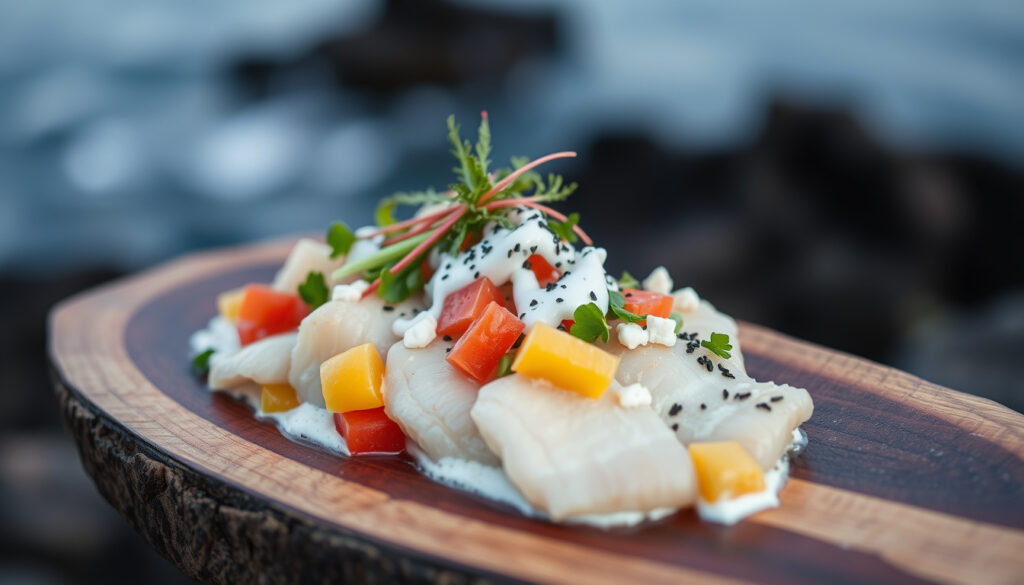
Raw Fish Recipe NZ: Authentic Māori Ika Mata Guide
There’s a moment when you bite into a piece of ika mata and the freshness of the fish, the tang of citrus, and the creaminess of coconut all hit at once. It’s a taste that defines New Zealand summer gatherings, and getting it right starts with choosing the right snapper or trevally and mastering the coconut cream dressing.
Prep time: 10–30 min ·
Marinate time: 15–60 min ·
Avg. rating: 4.5/5 on Edmonds Cooking ·
Key ingredient: Firm white fish (e.g., snapper, trevally)
Quick snapshot
- Māori raw fish is called ika mata or ota ika (Edmonds Cooking)
- Snapper and trevally are traditional choices (NZMCD)
- Marinating in citrus denatures the fish (R Marine Flagship)
- Exact origin of ika mata recipe variations across regions
- Whether home cooks commonly freeze fish before use
- Optimal marinating time for different fish types
- Marinating time: 15–60 minutes, depending on how “cooked” you prefer the fish (Cuisine Magazine)
- Chill after dressing: 1 hour recommended by Edmonds Cooking (Cuisine Magazine)
- Serve chilled as a starter or light meal
- Pair with crackers, kumara chips, or a green salad
- Try variations: add pineapple or chilli for extra kick
Here is a quick breakdown of the most important facts about ika mata.
| Attribute | Value |
|---|---|
| Origin | Māori (New Zealand) |
| Traditional name | Ika mata or Ota ika |
| Main marinade | Lemon or lime juice |
| Typical fish | Snapper, trevally, tarakihi |
| Common add-ins | Coconut cream, capsicum, tomato, onion |
| Safe consumption | Only very fresh, sushi-grade fish |
How to make Maori raw fish?
What is ika mata?
Ika mata (also called ota ika) is a traditional Māori raw fish salad. The fish is “cooked” by the acid in citrus juice, then combined with coconut cream and fresh vegetables. Unlike ceviche, which uses only citrus, ika mata is finished with creamy coconut, giving it a distinctive New Zealand character.
Traditional marinating method
The acid in lemon or lime juice denatures the proteins in the fish, firming the flesh and turning it opaque. The Seafood Collective explains that the lime juice “will ‘cook’ the fish,” giving it a firm and slightly opaque appearance. Most recipes recommend marinating for 15–60 minutes, but Cuisine Magazine notes you can go up to overnight if you prefer a more “cooked” texture.
Step-by-step preparation
- Start with 500 g of very fresh firm white fish – snapper, trevally or tarakihi. Cut into 1–2 cm cubes.
- Place fish in a bowl and cover with lemon or lime juice. Stir gently. Marinate for 15–30 minutes (or up to 1 hour for a firmer texture). The fish will turn opaque white.
- Drain the citrus juice through a colander. Do not rinse – just let the liquid drip away.
- Add 1 can (about 200 ml) of coconut cream, plus diced vegetables: capsicum, tomato, red onion, cucumber. Many recipes also add chopped chilli and salt.
- Mix gently and refrigerate for at least 1 hour before serving. The flavours meld as it chills.
This method is adapted from Edmonds Cooking, which recommends marinating for 30 minutes and chilling for 1 hour, and from NZMCD (a New Zealand motorhome and lifestyle guide) which suggests lemon and lime juice together.
The draining step is non-negotiable: if you skip it, the citrus will keep “cooking” the fish and turn it mushy. Home cooks using trevally should marinate a little longer – up to 1 hour – because the darker flesh is denser.
What is the best fish to use for raw fish NZ recipe?
Snapper – the classic choice
Snapper is widely recommended by Edmonds Cooking for its sweet, firm flesh. It holds up well to marinating and has a mild flavour that pairs beautifully with coconut cream. Snapper is also the most commonly available white fish at New Zealand fish markets.
Trevally – traditional favourite
Trevally has a slightly oilier, richer taste than snapper and is the traditional choice in many Māori recipes. The Seafood Collective recommends marinating trevally in coconut cream with lime juice and hot sauce for at least 30 minutes to 1 hour. Its texture is firmer, so it can handle longer marination.
Other suitable fish: tarakihi, kingfish, gurnard
- Tarakihi – mild, firm texture, similar to snapper (Burnsco’s raw fish guide).
- Kingfish – rich flavour, but must be very fresh and sushi-grade because of potential histamine issues.
- Gurnard – lean and sweet, good for those who prefer a less oily fish.
Fish to avoid for raw consumption
Freshwater fish like trout, perch, and eel carry parasites that can be harmful if eaten raw. Wild-caught salmon should be frozen at -20°C for at least 7 days before use. The NZ Herald emphasises that only very fresh, sushi-grade fish should be used for ika mata. Avoid fish that has been frozen and thawed multiple times, and never use fish that smells overly fishy.
For a home cook in New Zealand, the safest choice is snapper or trevally from a reputable fishmonger who can confirm it’s been handled properly. The trade-off: trevally gives a more traditional flavour, while snapper is milder and more forgiving for first-timers.
The catch: a great raw fish starts with the right choice at the fish market.
Coconut raw fish recipe – a New Zealand classic?
Key ingredients for coconut raw fish
The essential ingredients are: 500 g firm white fish, 1 can (200 ml) coconut cream, 1–2 lemons or limes, red capsicum, tomato, red onion, cucumber, and salt. Puawai (a Māori health initiative) also includes red and yellow pepper for colour, and uses lite coconut cream to reduce fat. The Heart Foundation of New Zealand offers a version with reduced-fat coconut cream, making it a heart-healthy choice.
How to make the coconut cream dressing
After draining the marinated fish, mix the coconut cream with a pinch of salt and a squeeze of citrus. Some recipes, like Burnsco’s raw fish guide, add the lemon juice slowly to the coconut cream to achieve a smooth consistency. You can also add a dash of Tabasco or fresh chilli for heat.
Serving suggestions
- Serve chilled as a starter, with crackers or kumara chips.
- As a main, pair with a green salad or on a bed of lettuce.
- Optional: add diced pineapple for sweetness – a twist from Nadia Lim (New Zealand chef and cookbook author).
The pattern: each recipe tweaks the dressing ratio and vegetables, but the core – citrus, coconut cream, fresh fish – remains the same.
What is a raw fish recipe called?
Ika mata – the Māori term
In New Zealand, the dish is most commonly called ika mata, which translates directly to “raw fish” in Māori. It is also known as ota ika. Both terms refer to the same traditional preparation.
Ota ika – another name for raw fish salad
Ota ika is less common but interchangeable. The Heart Foundation of New Zealand uses “ota ika” in its healthy recipe index, reflecting the term’s use in some Māori dialects.
Other global terms: ceviche, poke, crudo
- Ceviche (Latin America) – citrus-only marinade, no coconut cream. Often includes chilli, coriander, and onion.
- Poke (Hawaii) – soy-sesame base, served with rice and seaweed. The fish is not “cooked” by acid; it’s raw and seasoned.
- Crudo (Italy) – thinly sliced raw fish drizzled with olive oil, salt, and herbs. No citrus marinade.
The catch: while these dishes look similar, the technique and flavour profiles are completely different. Ika mata is unique in its use of coconut cream as a finishing sauce.
What is a popular raw fish dish?
Ika mata – New Zealand’s favourite
Ika mata is the most popular raw fish dish in New Zealand, especially at summer gatherings, barbecues, and potlucks. Its creamy, tangy flavour is a Kiwi signature.
Ceviche – Latin American staple
Ceviche is marinated in lime or lemon juice, often with chili, coriander, and red onion. It is served as a snack or starter across Mexico, Peru, and other Latin American countries.
Poke – Hawaiian bowl
Poke consists of raw fish cubes tossed in soy sauce, sesame oil, and seaweed, served over rice. It has become a global trend, but its flavour profile is savoury, not creamy.
Crudo – Italian style
Crudo emphasises the pure flavour of the fish. It is typically dressed with olive oil, lemon, salt, and fresh herbs, without any marinating time.
What this means: if you’re craving a raw fish dish and you’re in New Zealand, ika mata is the go-to. But each variation has its own culinary logic – and safety rules.
What fish shouldn’t be eaten raw?
High-risk fish for parasites
Freshwater fish such as trout, perch, and eel are high-risk because they can carry tapeworms and other parasites. The NZ Herald advises never to eat freshwater fish raw in New Zealand without prior freezing treatment.
Freshwater fish to avoid
- Trout
- Perch
- Eel (tuna) – traditional Māori recipes often smoke eel, not eat it raw.
- Wild-caught salmon – must be frozen at -20°C for 7 days or more to kill parasites.
Safety tips for raw fish preparation
- Buy fish from a reputable fishmonger and ask if it’s suitable for raw consumption.
- Keep fish refrigerated at all times and prepare it within 24 hours of purchase.
- Use a clean cutting board and knife, separate from other foods.
- If you’re unsure about the freshness, don’t risk it – cook the fish instead.
Wild-caught fish from NZ waters are generally safe if handled properly, but farmed fish (like kingfish from farms) are often lower in parasites. Edmonds Cooking stresses that any fish used for raw preparations must be “very fresh”.
Wild-caught fish from NZ waters are generally safe if handled properly, but farmed fish (like kingfish from farms) are often lower in parasites. The trade-off: convenience versus safety, and knowing your source is everything.
The implication: safety in raw fish is a matter of knowing what to avoid and how to handle it.
Confirmed facts
- Māori raw fish is called ika mata or ota ika (Edmonds Cooking)
- Snapper and trevally are the traditional choices (NZMCD)
- Marinating in citrus denatures the fish protein (R Marine Flagship)
- Coconut cream is added after draining the marinade (Cuisine Magazine)
What’s unclear
- Exact origin of ika mata recipe variations
- Whether freezing fish before use is common in home cooking
- Optimal marinating time for different fish types
- Whether traditional ika mata is served warm or strictly cold
“Marinate fish with lemon juice for 30 minutes, then add coconut cream and chill for 1 hour.”
Edmonds Cooking (New Zealand’s trusted baking brand)
“Ota ika is a healthy, delicious way to enjoy fresh fish. Use reduced-fat coconut cream to keep the saturated fat low.”
Heart Foundation of New Zealand (national heart health charity)
“I like to add a little pineapple for sweetness – it lifts the dish without overpowering the fish.”
Nadia Lim (New Zealand chef and cookbook author)
For New Zealand home cooks, the choice is clear: use snapper or trevally, marinate just long enough to firm the flesh, and finish with coconut cream. Skip the shortcuts – fresh fish and proper handling are non-negotiable. The result is a dish that is not only delicious but also a proud part of Aotearoa’s culinary heritage.
eatwhatyoukill.co.nz, nadialim.com, manaui.com, nzherald.co.nz
For a detailed step-by-step guide, you can refer to this authentic Māori ika mata recipe which covers the same traditional preparation methods.
Frequently asked questions
Can I use frozen fish for raw fish recipe NZ?
Yes, but only if the fish was frozen at sea or flash-frozen to sushi-grade standards. Thaw in the refrigerator and use immediately. Fish that has been frozen and thawed multiple times should be avoided.
How long does raw fish last in the fridge?
Marinated raw fish can be stored in the fridge for up to 24 hours, but it is best eaten within 6 hours of preparation. The longer it sits, the more the citrus “cooks” the fish, making it firmer and less fresh-tasting.
Can I use lime instead of lemon?
Absolutely. Lime juice is traditional in many Pacific Island versions and gives a slightly sharper flavour. You can also use a combination of both.
Is raw fish healthy?
Yes, raw fish is an excellent source of lean protein, omega-3 fatty acids, and vitamins. The coconut cream adds healthy fats, but if you’re watching calories, use reduced-fat coconut cream as recommended by the Heart Foundation.
Can I make raw fish without coconut cream?
Yes, you can substitute coconut cream with a light vinaigrette or simply serve the citrus-marinated fish with vegetables. However, the dish will no longer be ika mata – it becomes closer to a ceviche.
What sides go with raw fish NZ?
Classic sides include crackers, kumara chips, a green salad, or steamed rice. For a low-carb option, serve on lettuce cups or with cucumber slices.
Can I use salmon for NZ raw fish recipe?
Salmon is not traditional for ika mata, but it can be used if it is sushi-grade and very fresh. However, salmon has a stronger flavour and higher fat content, which changes the dish significantly. Stick to snapper or trevally for an authentic result.
More related posts
 Breaking Bad Get Out Sound Effect: Origin and Download Guide
 How to Remove Wallpaper: Fast Methods & Key Mistakes
 Heart Touching Birthday Wishes for Daughter from Mother
 Mad Butcher Lower Hutt – Hours, Address, Specials and Directions
 Australia vs West Indies 2025 Series Guide
 Melbourne Victory FC vs Auckland FC Standings – A-League Table, H2H & Form
 Car Parts Near Me: How to Find & Choose the Right Parts Locally
 The Subtle Art of Not Giving a F*ck: Main Points, Values, Meaning
